

By Tendai Makaripe
A deadly malaria outbreak has hit students and other vulnerable groups in Mashonaland Central, where health authorities recorded 51,250 cases and 107 deaths in the first four months of 2026.
The province now carries Zimbabwe’s highest malaria burden, according to provincial health officials quoted by The Herald.
Mashonaland Central provincial medical director Dr Clemence Tshuma said the province faces one of its deadliest malaria outbreaks in years.
He linked the rising deaths to delayed treatment, shifting transmission patterns and risky practices that expose people to mosquito bites.
The outbreak has hit Mount Darwin, Centenary, Muzarabani and Mbire hardest.
Mount Darwin recorded the highest number of malaria-related deaths, followed by Rushinga, Shamva, Centenary and Guruve.
Speaking at a stakeholders’ engagement meeting, Tshuma said “communal farmers and students” formed part of the groups most affected by the outbreak.
He also identified artisanal miners and gold panners as high-risk groups because they spend long hours outdoors and often work near stagnant water.
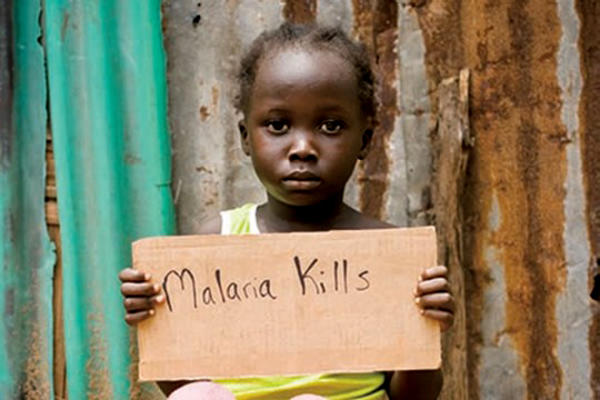
The outbreak raises serious child health concerns.
When students contract malaria, the disease threatens their lives, disrupts school attendance and places extra pressure on families already struggling with poverty, distance from clinics and limited access to health information.
Health officials also linked the outbreak to tobacco farming.
Tshuma said “tobacco farming has become a major driver of transmission,” especially during curing and grading seasons.
He said some farmers sleep in rooms used for curing or storing tobacco, including rooms that health teams recently sprayed with insecticides.
This weakens indoor residual spraying, one of the main tools used to kill mosquitoes and reduce malaria transmission.
Stream-bank cultivation, high temperatures and outdoor sleeping have also increased exposure to mosquito bites during peak transmission periods.
Artisanal mining has worsened the problem along the Great Dyke.
Abandoned mining pits collect stagnant water, creating breeding sites for mosquitoes.
Health authorities also blamed delayed treatment for the rising death toll.
Tshuma said many patients first seek help from faith healers or use unlicensed medicines before they visit health facilities.
He said the delays often leave patients with “severe complications such as cerebral malaria, jaundice and kidney failure.”
The World Health Organisation says communities can prevent malaria through insecticide-treated nets, indoor residual spraying, protective clothing, early diagnosis and prompt treatment.
Health authorities in Mashonaland Central have reached 91% coverage for indoor residual spraying.
They have also distributed insecticide-treated mosquito nets, carried out larviciding and intensified public awareness campaigns through radio and community outreach programmes.
Child health advocates say schools, parents and health authorities must strengthen malaria education, encourage early treatment and ensure learners in high-risk districts sleep under treated nets.
For children in Mashonaland Central, the outbreak has become more than a health statistic.
It now threatens life, learning and the right to grow up in safe environments