

By Nyasha Rimbi
MUREWA, Zimbabwe — The government pledged Monday to expand access to affordable menstrual health products, information and services in a renewed push to fight period poverty in Zimbabwe.
Officials made the pledge as the country launched the 2026 World Menstrual Health Day commemorations at Murewa Rural District Council Grounds in Mashonaland East province.
The national launch ran under the theme “Together for a #PeriodFriendlyWorld.”
The event brought together government ministries, development partners, civil society organisations, traditional leaders, young people and the private sector.
Officials said Zimbabwe must confront period poverty and break menstrual stigma.
They also said communities must protect the dignity of women and girls.
Speaking on behalf of Women Affairs, Community, Small and Medium Enterprises Development Minister Monica Mutsvangwa, Julia Mapungwana, Director of Women Affairs, called for collective action.
She said no girl should miss school because she lacks sanitary products, information or safe facilities.
“Dignity means every girl attends class with confidence. Equal opportunity means no girl is excluded because of her period,” Mapungwana told delegates.
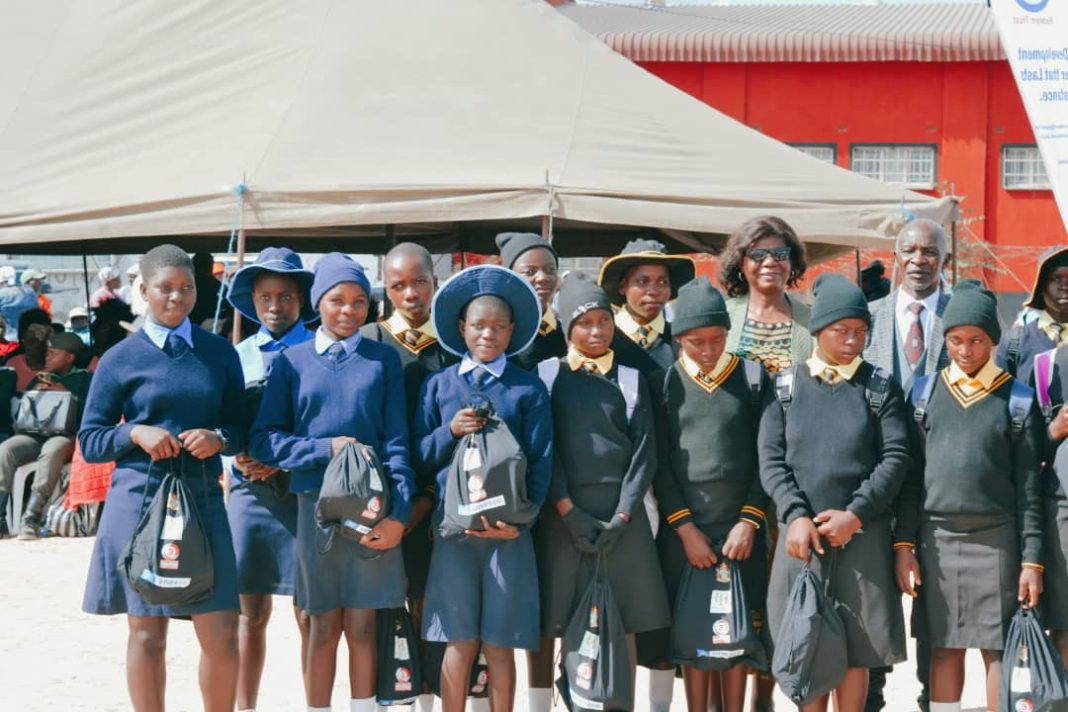
Meanwhile, organisers handed dignity packs to vulnerable girls and female inmates during the commemorations.
In addition, exhibitors showcased menstrual health products and services aimed at improving access, hygiene and awareness.
Delegates also called for wider access to affordable menstrual products. They pushed for better sanitation facilities in schools and communities.
Participants said men and boys must play a stronger role in supporting menstrual dignity.
Period poverty in Zimbabwe remains a barrier for girls
Officials said many girls still face shame, misinformation and financial barriers when they menstruate.
As a result, these challenges can force them to miss school, use unsafe alternatives or suffer in silence.
Mapungwana said communities must therefore treat menstrual health as a shared responsibility.
She said families, schools, churches, traditional leaders, development partners and the private sector all have a role to play.
“Together, we can create a #PeriodFriendlyWorld where every period is managed with dignity,” Mapungwana said.
Menstrual Hygiene Day falls on May 28 each year. The day raises awareness about menstrual products, education, health services and period-friendly infrastructure.
The global campaign uses the long-term mission “Together for a #PeriodFriendlyWorld.”
It seeks to end menstrual stigma, taboos and exclusion.
However, UNICEF Zimbabwe has identified period poverty as a continuing challenge in the country.
The organisation links the problem to the cost of sanitary products, limited access to information and cultural stigma.
Zimbabwe has also taken some policy steps to promote menstrual dignity.
In 2020, the government legislated for free sanitary materials in schools through the Education Amendment Act.
However, child rights advocates continue to call for stronger implementation and reliable funding.
They also want schools and communities to improve water, sanitation and hygiene facilities.
Campaigners say menstrual health remains central to girls’ education, gender equality and public health.
Therefore, they argue, Zimbabwe can only build a period-friendly future if products, information and services reach every woman and girl who needs them.