

By Mufaro Namusi
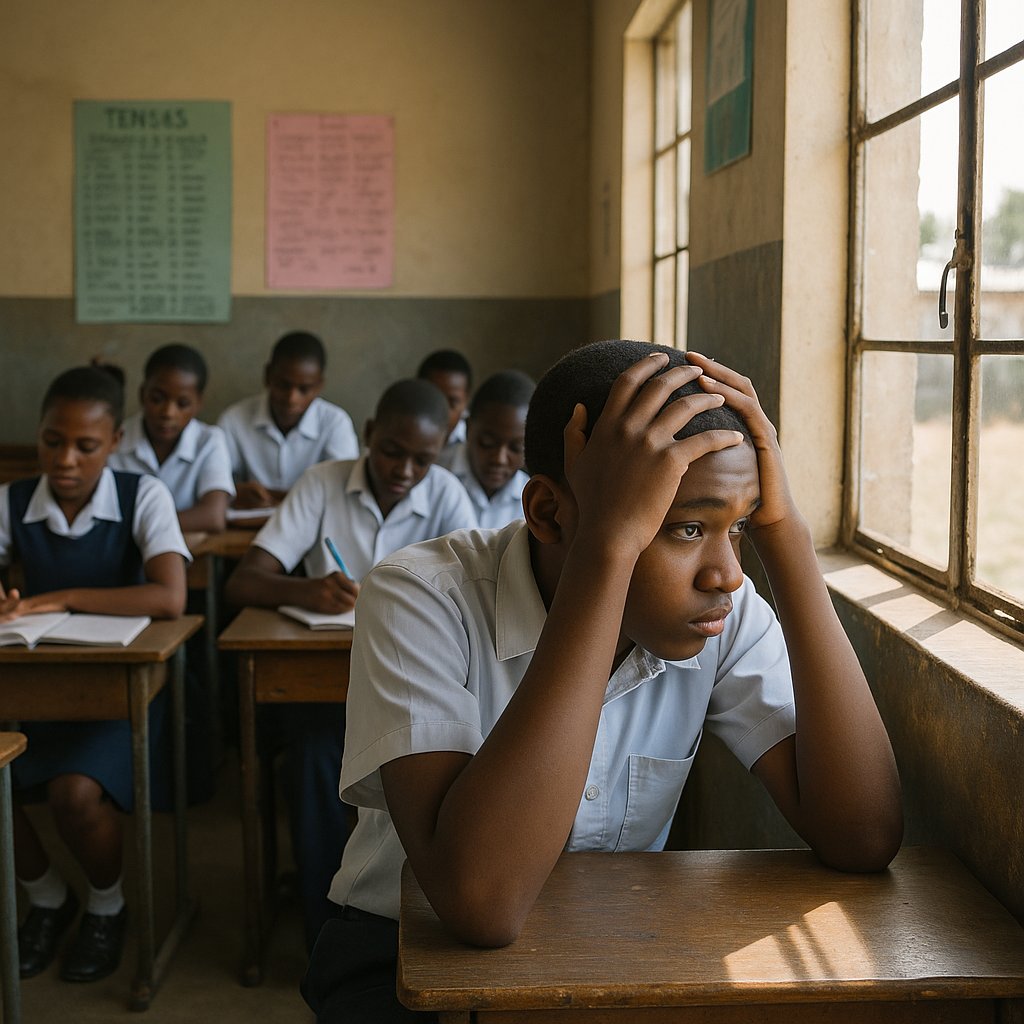
Many times, adults mistake teen depression for disrespect.
A child speaks less, misses chores or wants to be alone, and the response is, “Don’t fly too high or we will cut those wings.” Words like these can be hurtful.
They also miss what is really going on.
Our generation is seeing more than the internet ever shows: drug abuse, violence, bullying, sexual abuse and constant pressure to fit in.
A lot happens behind closed doors. Teens witness abuse or face it themselves, and they carry that pain to school and back home.
Teen depression changes how young people think, feel and act. What looks like sadness, laziness or “bad attitude” may be a real mental-health problem.
Depression is more than a mood. It can show up as withdrawing from friends, losing interest in hobbies, changes in sleep and appetite, trouble concentrating, falling grades and a heavy sense of hopelessness—even in the student who laughs the loudest.
Sometimes the smiling one is struggling the most. When pain builds up, dark thoughts can feel like the only way out. It can also feel like nobody understands or that the world would be better without you. Society adds pressure with judgment, gossip and unrealistic expectations. For a teen already under stress, that weight is hard to carry.
Depression does not come from one cause. It can be triggered by school stress, family conflict, grief, trauma, health issues, online bullying or drug and alcohol use. It can also run in families.
Whatever the cause, it is not a sign of weakness, and it is not anyone’s fault.
We should remember that people can hide deep pain. News stories from around the world show smiling teenagers who were suffering in silence.
That is why we must never judge by appearances. A gentle check-in—“Are you okay? How can I help?”—can be a lifeline.
Parents, teachers, pastors and friends can make a big difference. Listen without shouting or shaming. Keep routines steady.
Help teens get support from a counsellor, nurse or doctor.
Encourage sleep, exercise and safe friendships. If a teen talks about wanting to die, take it seriously and get help immediately.
You can be someone’s ray of hope by simply asking, caring and staying present. Don’t be the reason someone gives up; be the reason they hold on.
Mufaro Namusi is a form 1 student at Ridgeway International School