

By Tendai Makaripe
HARARE, Zimbabwe — Zimbabwe has approved a new policy to protect children from online abuse as concerns grow over cyberbullying, grooming, sextortion, harmful content and privacy violations.
The government approved the Zimbabwe National Child Online Protection Policy: 2026-2030 during a Cabinet meeting chaired by President Emmerson Mnangagwa on Tuesday.
Cabinet said the policy “provides a national framework to safeguard children in the digital environment” while allowing them to benefit from information and communication technologies.
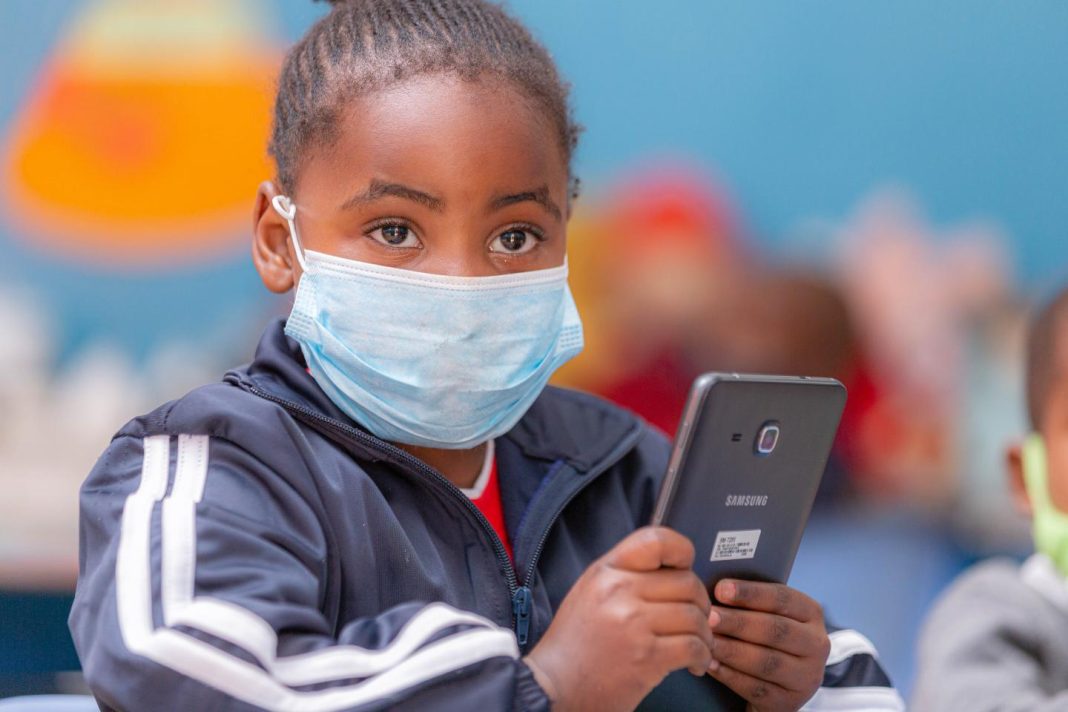
The policy comes at a time when children increasingly use mobile phones, social media platforms, online learning tools, gaming spaces and digital entertainment platforms.
However, many children still go online without enough guidance, protection or knowledge of how to report abuse.
The internet gives children major opportunities, Cabinet said.
However, it has also increased their exposure to “Online Sexual Exploitation and Abuse, cyber bullying, harmful content, grooming, sextortion and privacy violations.”
Under the new policy, government, the private sector, academia and communities will work under one national framework to keep children safe online.
The policy also seeks to align children’s digital experiences with the Constitution of Zimbabwe and the Children’s Act.
It further promotes “accountability in all sectors of the society” and practical steps to reduce online risks.
The policy focuses on nine strategic areas.
These include legal reforms, prevention, response systems, technical controls, education, public awareness, research, global cooperation, and monitoring.
The government said it will introduce laws with enforceable sanctions to protect children online.
“Government exhorts communities, parents and guardians to play a central role in monitoring the activities of children while they are online,” Cabinet said.
Child online safety experts have long warned that protection should not simply mean blocking children from the internet.
Sonia Livingstone and other EU Kids Online researchers said, “Balancing empowerment and protection is crucial.”
That balance matters in Zimbabwe.
Children’s digital experiences differ sharply between urban and rural areas, rich and poor communities, and children with and without disabilities.
Researchers Mariya Stoilova, Rishita Nandagiri and Livingstone also argue that “privacy is both a protective and an enabling right,” a point that speaks directly to children’s dignity, voice and safety online.
For child rights researchers, the policy also raises an important question: How can Zimbabwe protect children from harm without silencing them, excluding them or denying them access to digital opportunities?
The policy’s success will depend on strong enforcement and child-friendly reporting systems.
Schools, technology platforms and communities must also support digital literacy and protect children with disabilities.
For children, the internet should open doors to learning, creativity, expression and participation.
It should not expose them to predators, abuse, shame or exploitation.