
By Own Correspondent
ABIDJAN, Ivory Coast — African ministers and health leaders are seeking new ways to finance services for women and children after sharp aid cuts forced organisations to reduce community health programs.
Official development assistance fell by 23% in 2025, marking the steepest single-year decline on record, according to the Partnership for Maternal, Newborn and Child Health.
Health assistance declined by 21%, while sub-Saharan Africa suffered the deepest regional losses at 25%.
Four in every 10 countries now spend more on debt repayments than they allocate to health and education combined.
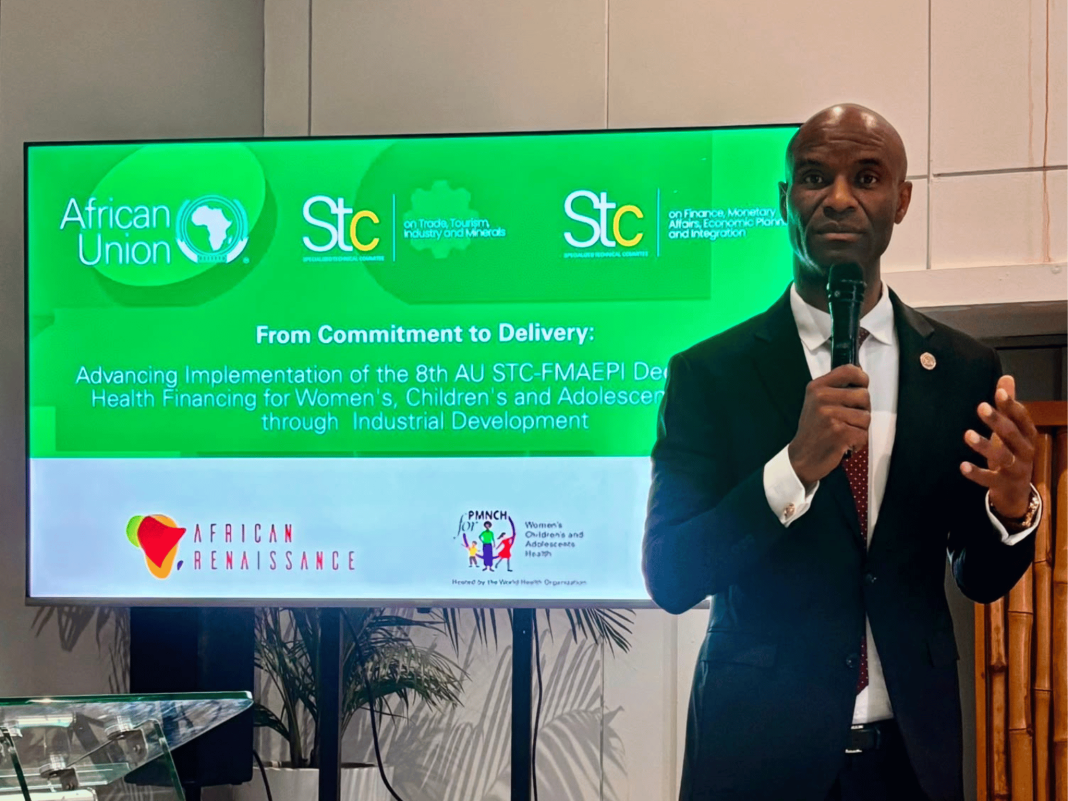
The African Union Commission, PMNCH and African Renaissance brought ministers, financiers and health leaders together in Abidjan on July 24 to discuss the crisis.
A PMNCH survey found that funding cuts had directly affected nearly 90% of its member organisations.
More than 60% had reduced programs, particularly community health and sexual and reproductive health services that support women and adolescents.
Child health gains under pressure
Worldwide, nearly 5 million children die before reaching their fifth birthday each year.
About 1.9 million pregnancies also end in stillbirth annually.
Africa has reduced maternal and child deaths by roughly 40% since the early 2000s, but that progress has slowed sharply since 2016.
Only three African countries currently meet the Abuja Declaration target of allocating 15% of government spending to health.
“No child should die from diseases that we know how to prevent,” UNICEF Executive Director Catherine Russell said when UNICEF and its partners released global child mortality estimates in March.
The latest financing reductions threaten immunisation, nutrition, maternal care and treatment for preventable childhood diseases.
Patrick Ndzana Olomo of the African Union Commission said governments must turn previous declarations into funded programs.
“We have no other choice than delivering,” Olomo said.
African governments adopted a ministerial declaration in October 2025 calling for stronger domestic health financing, innovative taxes and improved management of public funds.
Ministers consider domestic solutions
Participants proposed tobacco taxes, debt relief, improved tax systems and greater domestic production of medicines and vaccines.
Eswatini Finance Minister Neal Rijkenberg said governments should treat maternal and child health as an investment rather than an expense.
“Reproductive, maternal, newborn, child and adolescent health is not a cost center,” Rijkenberg said during an earlier financing session.
Eswatini’s debt-swap arrangement directs savings from debt repayments into the health sector.
The African Development Bank supports the arrangement with assistance from the Gates Foundation.
Rijkenberg also called for fewer but better-equipped clinics that can treat serious complications.
He questioned the value of maintaining numerous facilities that lack essential staff and equipment.
Africa currently imports 80% of its health commodities, leaving countries vulnerable to currency problems, supply disruptions and reductions in foreign assistance.
Senegal presented Project MADIBA, which aims to expand domestic vaccine production through the Institut Pasteur de Dakar.
Participants also unveiled the African Financing Insight dashboard.
The dashboard tracks 27 indicators covering government commitments, approved budgets and actual spending.
Participants agreed to review progress annually instead of allowing health-financing promises to remain unfulfilled declarations.
They also pledged to continue advocating for debt relief, local manufacturing and wider use of medicines produced in Africa.