
By Tendai Makaripe
On 19 October, a Kenyan court convicted self-proclaimed preacher Paul Mackenzie and about 30 others of murder over the deaths of 190 children and one adult.
Authorities have recovered more than 400 bodies from the Shakahola Forest, and the court has scheduled sentencing for 6 November.
Prosecutors say Mackenzie directed his followers to starve themselves to “meet Jesus”, with children to die first.
Zimbabweans may be tempted to dismiss this as a foreign horror, the work of one deranged man.
That would be a mistake.
However, it would be equally wrong to suggest that Zimbabwe has experienced atrocities on the same scale as Shakahola.
Such a comparison would be inaccurate and unfair to the great majority of believers who love and protect their children.
What Zimbabwe does have is quieter and harder to confront: documented cases in which religious leaders have placed their authority above children’s health, schooling and safety.
The harms differ in kind.
At Shakahola, a leader directed killing, while Zimbabwe’s cases involve neglect and coercion.
The law treats them differently, and we should, too.
What they share is a mechanism: unquestionable authority over children who cannot refuse.
What the record shows
In July 2021, 14-year-old Memory Machaya died after giving birth at a Johanne Marange Apostolic Church shrine in Manicaland.
Amnesty International said her parents had taken her out of school at 13 and betrothed her to an adult man.
The organisation also linked her death to the failure of adults present to seek urgent medical assistance.
Police later arrested and charged the man. A child who belonged in a classroom died in a shrine.
In 2022, a measles outbreak first emerged in Mutasa district in April before spreading nationwide after a large church gathering.
By 2 September, the Ministry of Health had reported 685 deaths, while a humanitarian assessment recorded 704 by 6 September.
Figures vary by source and date, and some reports count only confirmed cases. However, all agree that most victims had not received vaccinations.
Religion is not the whole story.
COVID-19 disruptions to routine immunisation left children exposed, while existing weaknesses in the health system compounded the crisis.
But the government said some anti-vaccine groups had slowed the vaccination campaign, prompting Cabinet to direct the health ministry to work with faith leaders.
Journalists also documented cases of mothers secretly taking their children to clinics to avoid confrontation with their congregations.
A mother should never have to smuggle her child into a clinic.
How big is the problem?
Zimbabwe’s 2019 national survey found that roughly one in three women aged 20 to 49 (32.8%) had married before 18, and 5% before 15.
Rural girls face approximately twice the risk of early marriage compared with their urban counterparts, while poverty remains a major driver.
According to Girls Not Brides, half of girls who marry before 18 come from the poorest households.
These national figures do not distinguish between religious denominations, making it impossible to establish how much religious pressure contributes to child marriage.
That gap matters.
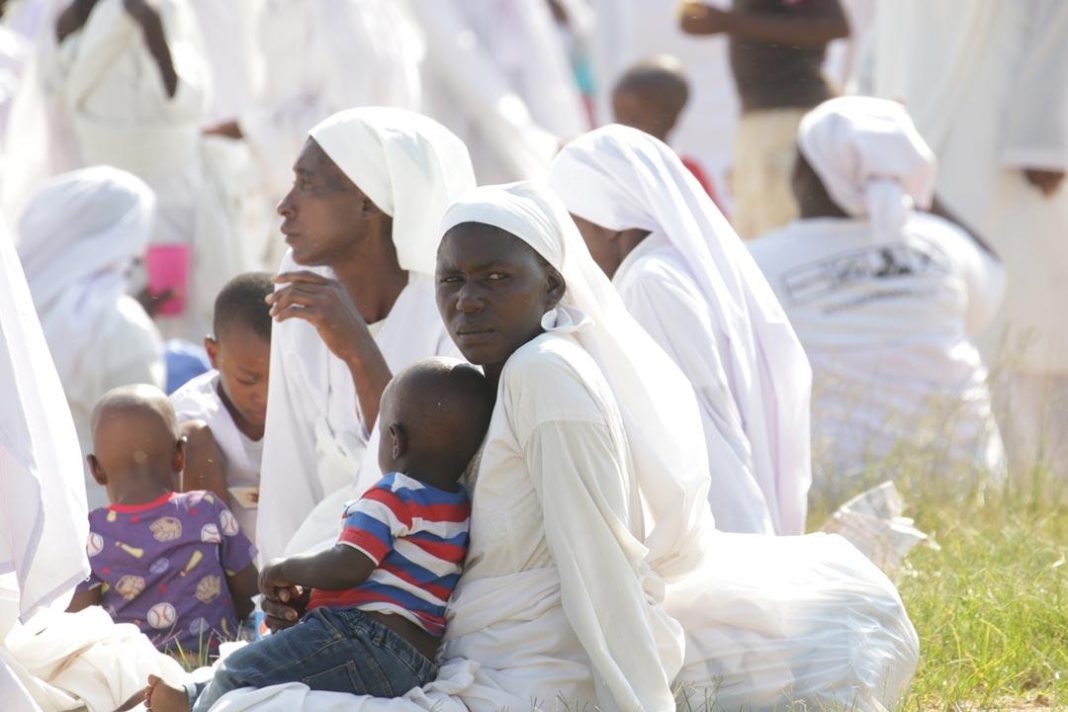
UNICEF estimates that the Apostolic church is the country’s largest, with some 2.5 million followers.
Yet no one can say how many children within its congregations lack access to healthcare or face early marriage.
A problem we cannot measure is a problem we cannot manage.
What the law already says
Section 60(3) of the Constitution recognises parents’ right to decide their children’s religious upbringing, but prohibits them from exercising that right in ways that prejudice children’s education, health, safety and welfare.
Section 81 places children’s best interests above competing considerations and protects them from abuse and neglect.
On 20 January 2016, the Constitutional Court ruled in Mudzuru v Minister of Justice that no person may enter any marriage before turning 18, including unions conducted through religious rites.
What is missing is effective enforcement and the willingness of communities and officials to recognise enforcement as protection rather than persecution.
What should change
Critics will argue that such scrutiny stigmatises a community that already faces suspicion. Others will point out that failing clinics have contributed to public distrust.
Those concerns deserve recognition.
But they strengthen the case for repairing the health system, not for leaving a 14-year-old to give birth without proper medical care.
Accountability need not mean hostility. It means that no adult, whatever their title, may expose a child to potentially fatal risks without regard for that child’s rights and welfare.
The remedies are not mysterious.
Authorities must enforce the Mudzuru ruling, including taking action against adults who marry or impregnate underage girls.
Schools and child protection officials should investigate cases where girls disappear from school registers, since withdrawal from education often provides the first warning sign.
Health authorities must extend maternity and immunisation services to communities that avoid clinics, building on the cooperation with faith leaders that Cabinet has already sought.
The government should also publish reliable data on child marriage and preventable child deaths by religious affiliation, with appropriate safeguards for children’s privacy, so that policymakers can act on evidence.
Above all, authorities must make clear that parents who seek medical treatment for their children exercise a constitutional right that no congregation should undermine or punish.
The principle
Faith and medicine are not enemies. Parents can pray for a sick child while seeking hospital treatment, and many churches feed, educate and shelter vulnerable children.
The problem is not belief. It is any arrangement in which obedience to a human being takes precedence over a child’s survival.
We cannot bring back the children of Shakahola.
The least we owe them is an honest examination of where, in our own country, communities still place a leader’s word above a child’s life.
And we must act before another family has to bury a child.