
By Tendai Makaripe
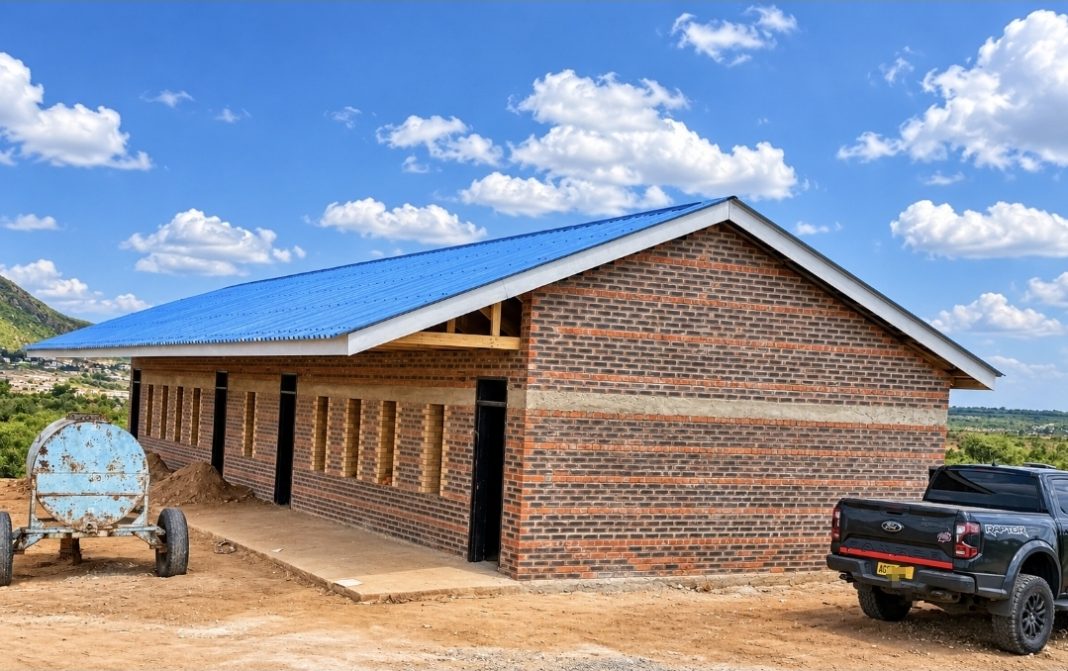
The new Jerenje Primary School in Ward 20, Mutoko South constituency, will bring education closer to children in Jama and help ease overcrowding at Chinzanga Primary.
Mutoko South legislator Isaac Tasikani said the school would accommodate about 2,000 learners from the growing residential area near Mutoko centre.
Children from Jama currently travel a considerable distance to Chinzanga, which Tasikani said has more than 4,000 pupils and struggles with overcrowding.
Tasikani, the local councillor, community members and Mutoko Rural District Council contributed towards Jerenje’s construction.
“The school is expected to accommodate about 2000 students. We also need to look for another site to situate a school so that children’s access to education is not compromised,” Tasikani said.
He said the developments formed part of efforts to improve children’s access to education across the constituency.
“Children are the future, and they should not be marginalised. We have to continue working towards enhancing their lives,” he said.
Memory Tiririvavi, a parent from Jama, welcomed the construction programme and contributions from different stakeholders.
“The development we are seeing here is enormous. Many schools are being developed, additional blocks being built, and we are grateful to the MP, his team, the councillor and various other stakeholders,” Tiririvavi said.
More classroom blocks for Mutoko South
Beyond Jerenje, Tasikani said Constituency Development Fund allocations had supported classroom construction at Nyagore and Hurumutumbu primary schools.
Nyagore had also received clean drinking water, computers and Wi-Fi, he said.
Tasikani said builders had completed classroom blocks at Mawana, Chidara and Mukombwe primary schools. They had also completed finishing work on the Chidara block.
At Nyazvikadzi, a satellite school of Kushinga Primary, builders had reached roof level. Tasikani also identified Chikurumatombo as one of the schools benefiting from improvements.
Investing in rural education
The projects highlight the need to expand rural schools while providing the resources children require to learn.
UNICEF’s work in Zimbabwe illustrates how furniture, textbooks and accessible facilities can improve learning conditions alongside classroom construction.
In a February 2026 report, UNICEF described how School Improvement Grant funding helped Hokonya Primary School in Chikomba buy textbooks and furniture.
Ramps also improved access for children with disabilities.
The school’s Grade Seven pass rate rose from 30% in 2023 to 40% in 2024.
Its head attributed the improvement mainly to grant support, highlighting the value of equipping and expanding rural schools.
Education as a constitutional right
Zimbabwe’s Constitution recognises education as a right. Section 75 guarantees citizens and permanent residents a right to basic state-funded education.
It requires the state to take reasonable steps, within available resources, to fulfil that right.
Section 81 also protects every child’s right to education.
Sustainable Development Goal 4 similarly calls for inclusive and equitable quality education.
Its infrastructure target encourages countries to build and improve schools that meet children’s needs, including those of learners with disabilities, and provide safe learning environments.
For families in Jama, Jerenje offers the prospect of schooling closer to home.