
By Tendai Makaripe
HARARE — When children are taught to be polite and obedient, adults often mean well. But what happens when that lesson makes it harder for a child to speak up, refuse, or ask for help when something feels wrong?
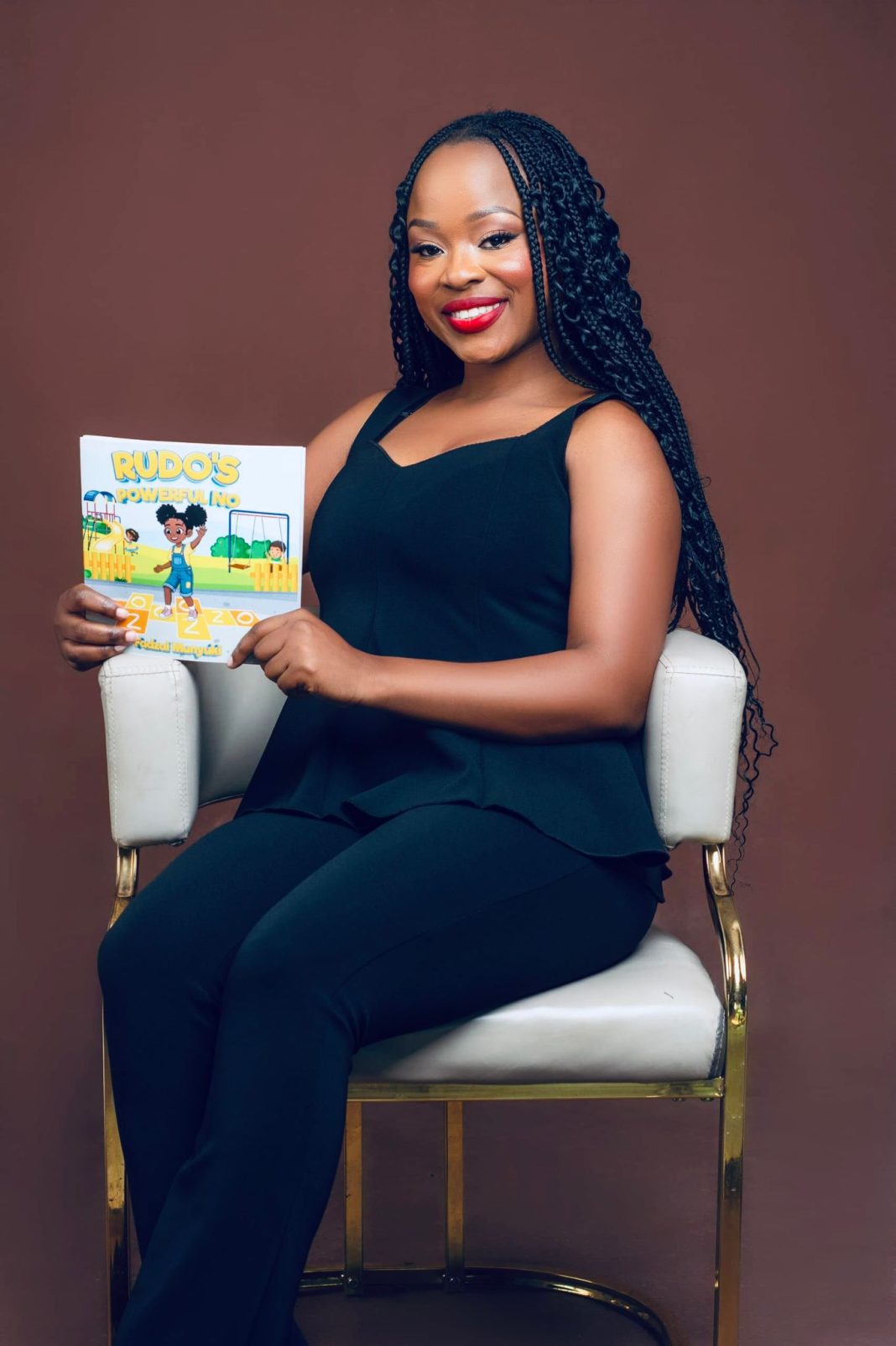
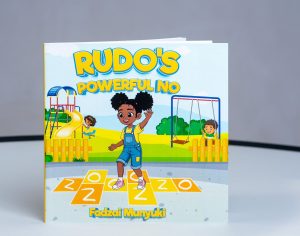
That is the question sitting beneath Rudo’s Powerful No, a children’s book by Zimbabwean author and psychology researcher Fadzai Munyuki.
In an interview with Children’s Voices, Munyuki said the story was born from a concern that many children are taught good manners, but not always the language of boundaries.
“Children are often taught to be polite and obedient, which is important, but sometimes that message can make it difficult for them to speak up when something feels wrong,” she said.
Her book follows Rudo through ordinary but important moments.
She says no when a friend suggests taking snacks that are not theirs.
She says no when a man offers her a ride home.
She says no when she is uncomfortable climbing a tree. She also says no when she is not ready to lend out her favourite toy.
For Munyuki, those scenes are not small. They are a training ground.
“The main message of the book is that boundaries are not rude,” she said. “Saying ‘no’ can come from a place of self-respect and even love.”
A bigger conversation than one book
What gives the book weight is that its message lands inside a much bigger debate in Zimbabwe and across the world: how children are taught to understand safety, dignity and voice.
Section 81(1)(a) of the Zimbabwean Constitution says every child has the right to equal treatment before the law, including “the right to be heard.”
Additionally, Section 81(1)(e) also protects children from “maltreatment, neglect or any form of abuse.”
UNICEF Zimbabwe says child protection remains a critical priority in the country, especially in rural and humanitarian settings, and notes that children still face risks linked to violence, abuse, exploitation, weak support systems and entrenched social norms.
That means Munyuki’s book enters a conversation that is already urgent.
It is not only about manners. It is about whether children are being raised to recognise danger, trust their instincts and tell safe adults when something is wrong.
Her academic background helps explain why she chose that path.
Munyuki is a PhD researcher in psychology focusing on youth mental health.
She said one lesson keeps returning in both research and literature: “Many of the struggles young people experience later in life often have roots in childhood.”
That view is consistent with global child-protection evidence.
The World Health Organisation says violence against children includes abuse by caregivers, peers, romantic partners and strangers, and estimates that up to 1 billion children aged 2 to 17 experience physical, sexual or emotional violence or neglect in a single year. WHO says those experiences affect lifelong health and well-being.
UNICEF has also warned that violence against children is a global crisis that can harm mental health, affect brain development and deepen cycles of trauma into adulthood.
Teaching children to speak without teaching disrespect
That is where books like Rudo’s Powerful No may matter.
They offer a simple language for children to use before a crisis comes. They also create an easier entry point for adults who struggle to start hard conversations.
Munyuki said parents, guardians and teachers can use the story to ask children how Rudo felt, why she refused certain situations and who she trusted enough to tell.
In her view, storytelling helps difficult topics feel safer and more natural.
Her point also reflects a wider children’s rights framework.
Article 12 of the UN Convention on the Rights of the Child says children who are capable of forming views have the right to express those views freely in matters affecting them, and those views should be given due weight according to age and maturity.
The Convention also encourages the production and dissemination of children’s books that promote children’s well-being.
Still, Munyuki is careful not to frame the book as a licence for rudeness.
The lesson, she says, is balance.
Children should know that their no matters, but they should also learn to respect the no of others.
“I hope readers remember that a child’s voice matters,” she said. “A child can be kind, respectful, and loving while still saying no when something does not feel right.”
In that sense, Rudo’s Powerful No is more than a story about one child.
It is part of a growing effort to teach children that safety, honesty and self-respect are not acts of disobedience.
Sometimes, they begin with a single word.



What a fantastic book this is . Our children need to learn, feel and be protected. Such an empowering book this is . Thank you for this gift to the world