

By Tendai Makaripe
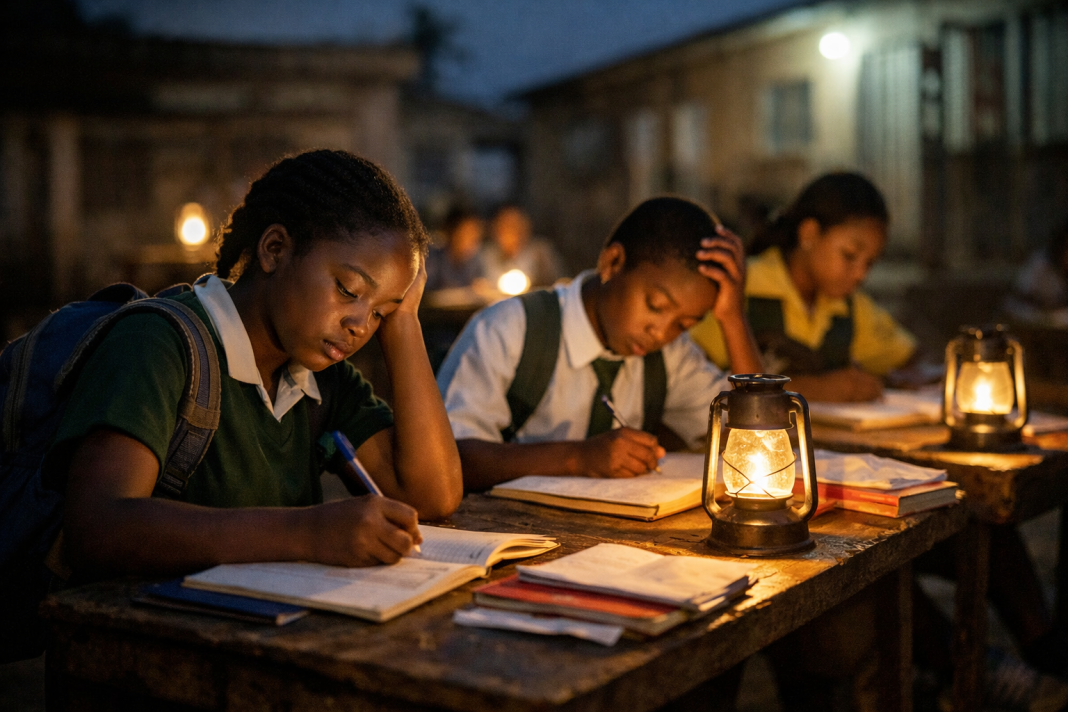
HARARE, Zimbabwe — Child rights advocates and education researchers in Zimbabwe say mounting pressure to pass national exams is pushing some pupils, especially Grade Seven candidates, beyond healthy limits, with long study days that can erode rest, play and sleep.
An investigation by the Children’s Voices found that some children spend most of their weekday hours in lessons or tutoring, leaving little time to recover at home.
In Harare, some Grade Seven pupils start earlier than other classes and stay behind after regular school hours for extra lessons, parents said.
Some families then arrange additional tutoring after the children get home.
Parents interviewed by this publication said some teachers charge about US$15 to US$20 per child per month for extra lessons.
“My daughter arrives home around 3:30 p.m. daily,” said Warren Park parent Macdonald Mabika.
“She gets to study in advance as she begins preparation for her final exams,” he said.
Marondera-based parent Timothy Chasakara said his son goes for further coaching after extra lessons with his teacher.
“My son has mathematics issues, and he complains that his teacher is not good enough. So, he does extra lessons with his teacher after class, but comes back home and attends mathematics lessons with a different tutor,” he said.
While many parents say the goal is to help children perform, child advocates and health specialists warn that sustained pressure can take a toll on mental well-being — and, for younger learners, can raise safety concerns if tutoring runs into the evening.
Child rights advocate Rujeko Chibaya described seeing Grade Seven girls walking at night with “backpacks still heavy on their shoulders” after extra lessons.
“They had already reached home around 5 p.m. after two hours of extra lessons at school, only to proceed to another teacher’s home for more,” she said.
“At an age where laughter, play, and rest should be their companions, they are carrying the burden of relentless academic pressure.”
Chibaya also warned about safeguarding when children move between lessons after dark.
“Walking back home in the dark exposes them to risks of abuse and harm,” she wrote, calling for accountability over where lessons are held and who is responsible for children’s protection.
Health specialists say extended study days can cut into sleep, and sleep loss can affect mood, attention and anxiety. The U.S. Centres for Disease Control and Prevention says children aged 6–12 typically need 9–12 hours of sleep per day, while teenagers aged 13–18 need 8–10 hours.
The World Health Organisation says one in seven adolescents aged 10–19 experiences a mental disorder globally, with depression and anxiety among the leading causes of illness and disability in that age group.
Academic research in Zimbabwe has also flagged psychological strain linked to extra lessons.
In a 2022 qualitative study in Chegutu titled The psycho-emotional effects of extra lessons among urban day secondary school learners, researcher Richard Bukaliya reported mixed views: some participants said extra lessons boosted confidence “before going into a test or examination,” while others described them as “a source of depression” and physically draining
The Ministry of Primary and Secondary Education has said extra lessons are not illegal under current policy, but become a disciplinary offence when teachers charge learners, according to the Ministry’s Director of Communications and Advocacy, Taungana Ndoro.
Ndoro also warned parents about “dingy facilities” used for some off-site lessons, saying such settings can expose children to “other misdemeanours.”