
By Tendai Makaripe
Online abuse reporting in Zimbabwe faces an early test as some students say they do not know where to report cyberbullying, harassment or other forms of online abuse.
Cabinet approved the Zimbabwe National Child Online Protection Policy 2026-2030 in June to strengthen child safety in digital spaces.
The policy targets online risks that now follow children through phones, social media platforms, messaging applications, online games and other digital spaces.
Those risks include cyberbullying, harassment, grooming, unwanted contact from strangers, sexual exploitation, harmful content, blackmail and the sharing of private images without consent.
Child protection advocates say the policy must move beyond official documents and reach homes, classrooms and school assemblies where children can learn clear reporting steps.
They say children need to know who to tell, what evidence to keep and when adults must involve police or other child protection services.
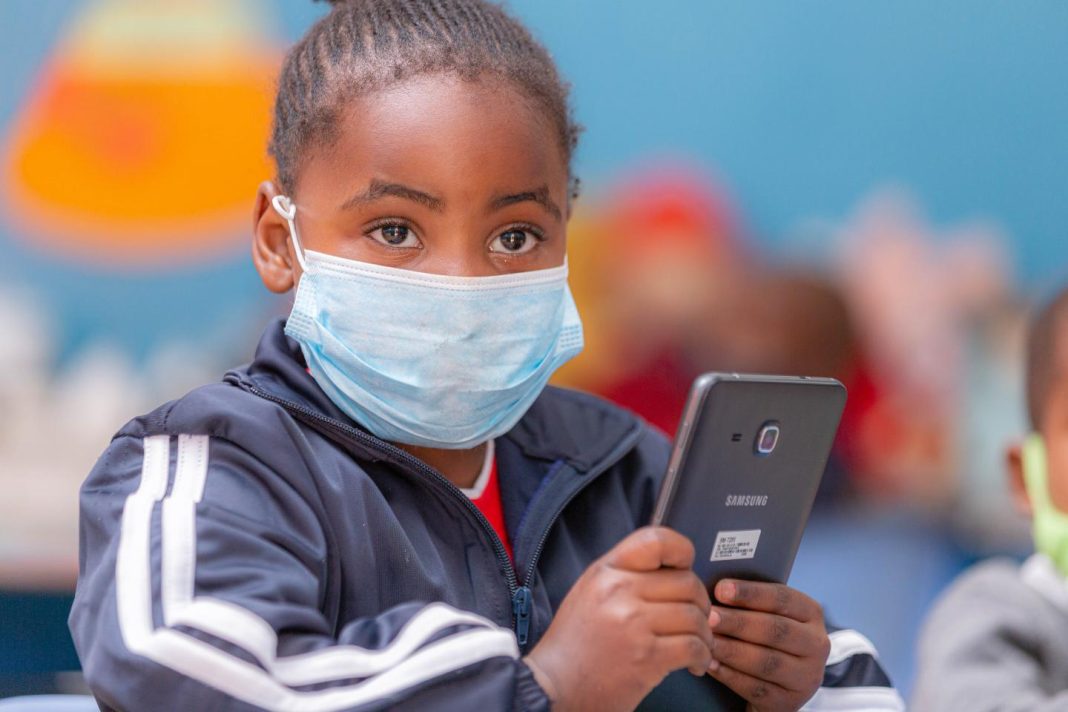
Children’s Voices interviewed four students from two boys’ high schools in downtown Harare, one school in Kambuzuma and a secondary school in Nyazura.
Their answers showed that some children know part of the process, while others still lack clear information on where to report online abuse.
One student from a boys’ high school in downtown Harare said he was “Not sure” where to report online abuse.
He said he would simply “Block them,” a response that showed basic digital self-protection but no clear route to adult support, counselling or formal reporting.
A second student from another boys’ high school in downtown Harare said he would report online abuse to the police or a teacher.
His answer showed stronger awareness that online abuse can threaten a child’s safety and may require action beyond blocking an account.
A student from Kambuzuma said they would use “WhatsApp report” if someone abused them through the messaging platform.
The answer showed awareness of platform tools, but it also exposed a gap because children still need to save evidence, tell trusted adults and report serious cases to police.
A fourth student from a secondary school in Nyazura said they did not know where to report online abuse.
Their answers show that online abuse reporting in Zimbabwe still needs stronger awareness among learners, parents and schools.
Ekenia Chifamba, founding director of Shamwari Yemwanasikana, a community-based non-governmental organisation that seeks to promote the rights and empowerment of the girl child, said children must understand that they never have to deal with online abuse alone or in secret.
She said children can first tell a trusted adult, including a parent, guardian, teacher or school counsellor, who can help them take the next step.
Chifamba said children can also call Childline Zimbabwe on toll-free number 116, use reporting and blocking tools on digital platforms, and alert school authorities when the abuse involves a classmate or threatens their safety at school.
“The biggest mistake children make is staying silent out of fear, shame, or worry that their devices will be taken away,” Chifamba said.
She said children often delete screenshots, messages and usernames in panic, making it harder for adults and authorities to act.
Chifamba said some children confront abusers directly, and that decision can increase the danger.
“Our message to children is simple: it is never your fault, you will not be in trouble for telling, and the first step is always to tell someone you trust,” she said.
Nobunkosi Phiri, a child rights advocate, said children must tell a trusted adult immediately when they face cyberbullying, harassment, exploitation or unwanted contact from strangers.
Phiri said children should keep screenshots and messages, report harmful content through the platform, seek support from Childline Zimbabwe and take serious cases to police.
Joeline Matsika, a parent, said many children speak out only after online abuse has escalated.
She said parents must check how the abuse started, gather evidence, report serious cases to police and support the child until the matter reaches justice.
Matsika said parents should block abusive accounts, use apps that limit children’s online activity and teach children about online dangers before abuse happens.
Child protection advocates say Zimbabwe’s new policy now needs strong awareness campaigns in schools, homes and communities so that children know where to report abuse before online harm causes lasting trauma.