
By Mufaro Namusi
Where do we see ourselves in the next 20 years?
The future of youth voices in Zimbabwe depends on whether young people receive opportunities to speak, participate and lead.
We often hear people talking about Vision 2030 and the Zimbabwe they want to build.
But if that vision is to become a reality, who will carry it forward?
The answer is simple: today’s young people.
In 20 years, today’s students will be teachers, doctors, journalists, business owners and national leaders.
Some will make decisions that affect millions of people.
But we cannot suddenly become confident leaders when we are adults if nobody teaches us to express ourselves while we are still young.
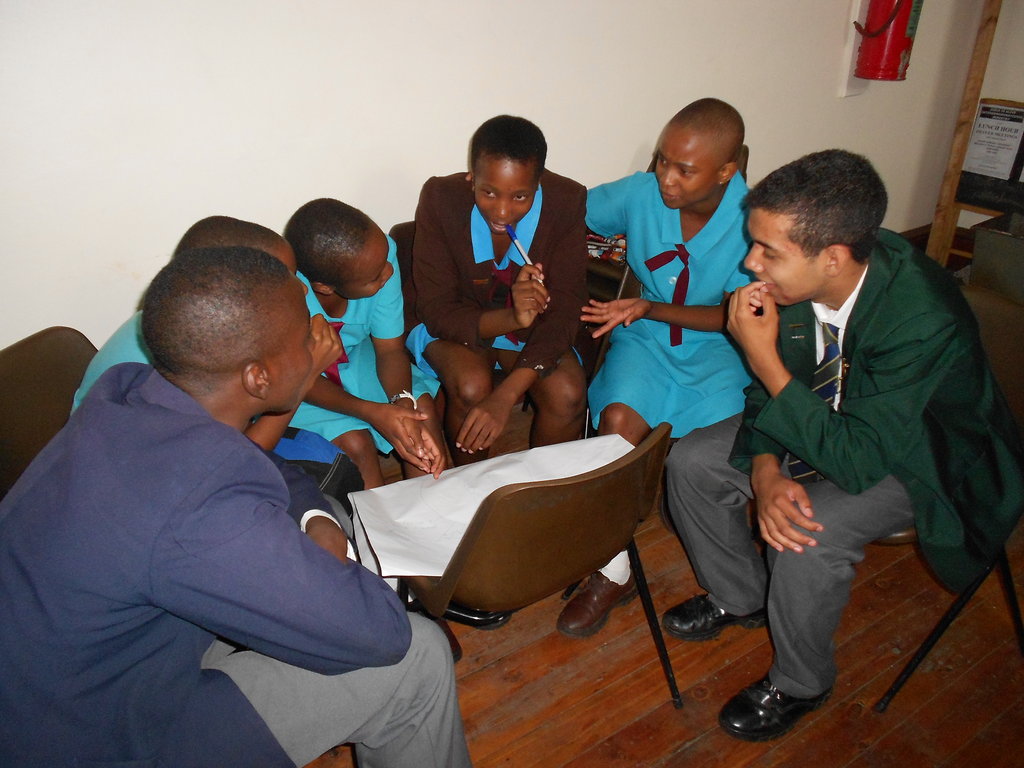
Walk into classrooms across Zimbabwe, and you will find students with bright ideas, difficult questions and different views about the country’s future.
However, many of those ideas never leave the classroom.
Some young people believe their opinions do not matter because they are not old enough, experienced enough or in positions of authority.
Others fear that adults will laugh at them, dismiss them or tell them to wait until they are older.
But Zimbabwe’s future cannot wait.
Why youth voices in Zimbabwe matter today
According to the United Nations Population Fund, 62% of Zimbabwe’s population is younger than 25.
This means young people are not only the leaders of tomorrow.
We are also an important part of Zimbabwe today.
The decisions adults make about education, technology, employment, health and the environment will affect our lives.
Young people should therefore have opportunities to share their ideas about these issues.
Section 20 of Zimbabwe’s Constitution also says young people should have opportunities to participate and gain representation in political, social and economic life.
Schools can help by supporting debate clubs, student councils, public-speaking competitions and school newspapers.
Community leaders and organisations can also invite young people to discussions and listen seriously to their suggestions.
These opportunities should include young people from cities and rural areas, girls and boys, children with disabilities and those who may not have the confidence to speak in front of large groups.
We must prepare ourselves
Young people also have a responsibility to use their voices wisely.
Speaking confidently does not mean shouting at people or refusing to listen to different opinions.
We must read, ask questions, check our facts and learn from others.
We should challenge ideas respectfully and suggest solutions instead of only pointing out problems.
Artificial intelligence can help us research and understand difficult subjects.
However, we should not allow it to do all our thinking for us.
Zimbabwe needs young people who can think independently, solve problems creatively and make responsible decisions.
Parents, teachers and leaders also have an important role.
They should create safe spaces where young people can speak without fear.
They do not have to agree with every opinion, but they should listen and explain why they make certain decisions.
The microphone is being passed to our generation. The question is whether we will pick it up.
To every student, debater, writer, public speaker and young person with an opinion: This is our moment.
Let us read, think, speak and take part in meaningful conversations. Let us stand up for our ideas and also speak for young people whose voices society often ignores.
Twenty years from now, we should not have to ask why nobody listened to us. We should be able to say that when Zimbabwe’s future was being shaped, we also spoke and played our part.
The writer, Mufaro Namusi, is a Form 2 student at Ridgeview International School. The views expressed in this article are the writer’s own.