
By Tendai Makaripe
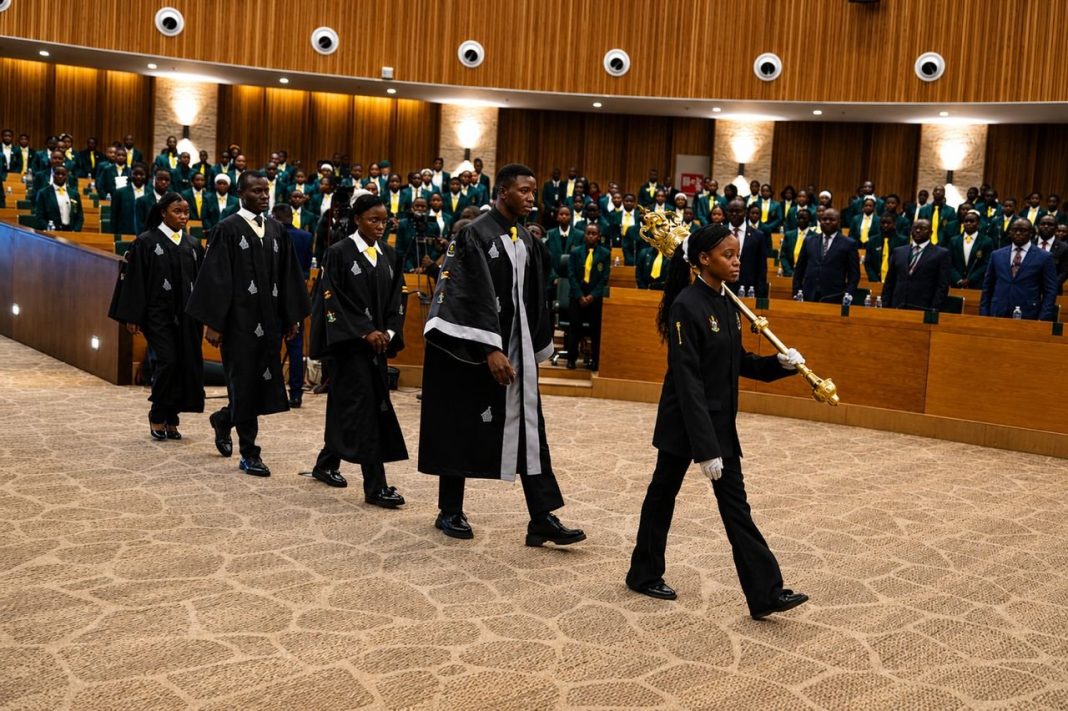
Zimbabwe’s Junior Parliament put children’s access to clean water, sanitation and hygiene at the center of national debate Wednesday as President Emmerson Mnangagwa opened its 34th session at the New Parliament Building in Mount Hampden.
The session brought together junior parliamentarians from all 210 constituencies under the theme, “Ensuring Universal Access to Water, Sanitation, and Hygiene for Every Child in Africa.”
In a post on X, Mnangagwa said the young representatives reflected the voices of children across the country, adding that the theme highlighted children’s right to clean water and proper sanitation.
He also noted that the government would continue to invest in infrastructure to create safer and healthier environments for young people.
“My administration remains steadfast in its commitment to empowering their voices and ensuring their perspectives shape our national development priorities,” Mnangagwa said.
In addition, the president said infrastructure development remained central to improving conditions for children.
“We will persist in our efforts to advance infrastructural development and create a safer, healthier environment for our youth.”
The Junior Parliament gives children a platform to debate national issues and raise concerns from their communities.
This year, the session places special attention on services that affect children’s health, dignity, safety and school attendance.
“Across many communities, children continue to face challenges linked to unreliable water supplies, unsafe sanitation facilities and limited hygiene services at home and in schools,” said analyst Tanaka Mandizvidza.
“As a result, the theme allows junior parliamentarians to speak about conditions affecting children in rural and urban areas.”
Mnangagwa said young people should help drive policy innovation and national progress as Zimbabwe works toward Vision 2030.
“As we strive toward Vision 2030, we look to these young leaders as drivers of innovative policy and national progress,” he said.
The session is also expected to allow junior parliamentarians to raise broader child rights concerns, including access to health, education and protection services.