

By Tendai Makaripe
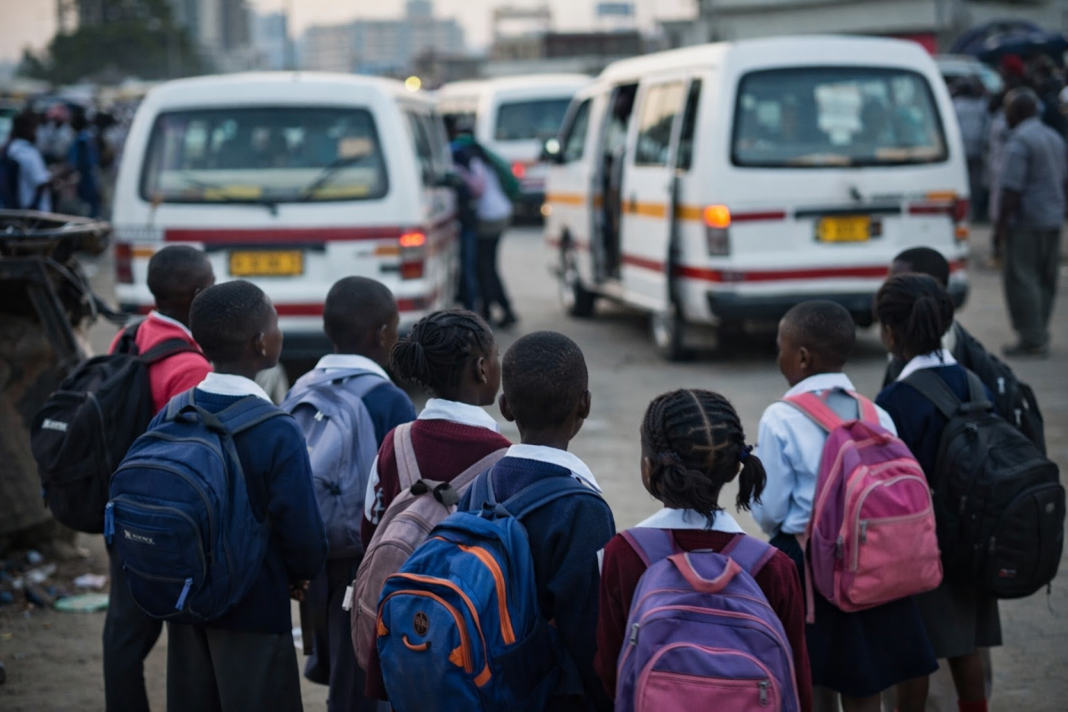
Some schoolchildren in Harare were left stranded at bus termini this week after commuter omnibuses abruptly raised fares, exposing how Zimbabwe’s latest fuel price hikes are beginning to disrupt children’s access to school.
Fuel prices have risen twice in two weeks, with petrol moving from US$1.56 per litre to US$1.71 and now US$2.17, while diesel has climbed from US$1.54 to US$1.77 and now US$2.05.
In its latest price review, the Zimbabwe Energy Regulatory Authority said government intervention had prevented diesel from rising even higher.
“The government will endeavour to keep the price of diesel lower than what it ought to be. Without government intervention, the price of diesel would have been 2.20 per litre,” ZERA said in part.
The increases have quickly filtered into commuter fares across Harare and surrounding areas, pushing up the cost of the daily journey for learners who depend on public transport.
In Chitungwiza, some commuters are now paying between US$2 and US$3 per trip.
A trip from Warren Park D to town is now about US$1.50, while fares from Crowborough, Seke Makoni and Mabvuku to town have reached about US$2.
For schoolchildren, those changes are more than a transport adjustment.
They are a direct threat to the routine of getting to school and back home safely.
A snap survey by Children’s Voices on Wednesday evening found some pupils stranded at bus termini after commuter omnibuses increased fares.
Near the Total service station at the corner of Samora Machel Avenue and Chinhoyi Street, one student searching for transport to Kuwadzana Extension said the fare had suddenly moved beyond what he had in his pocket.
“They normally charge US$1.00 to get to Kuwadzana Extension.
Now they want US$1.50. Some even want US$2.00. I don’t have that money with me, so I am now looking for anything that can take me home,” the student said.
The pressure is also being felt in organised school transport arrangements.
Commuter omnibus operators who run children to school say the fuel increases have upset the monthly charges agreed for March, and some now want parents to top up the money already paid.
That has created tension between operators and families, many of whom say they are already overstretched by school fees, food costs and other household expenses.
“We can’t add anything. We paid already. They have to make a plan,” said Sunningdale-based parent Kudzai Mutize.
Transport operators, however, say they are equally trapped by the sharp increases and cannot continue operating on old charges when fuel costs have shifted so rapidly.
“We have to meet each other halfway,” said a commuter omnibus driver who runs a school transport service for children in Rydale Ridge, a middle-density suburb about 24 kilometres from Harare’s central business district.
“We didn’t anticipate this happening. Now that fuel is up, it is only logical for us to increase monthly transport charges so that it makes business sense. If they don’t agree, we will be left with no option but to park the vehicles.”
For learners, especially those writing end-of-term examinations at private schools, the consequences go beyond inconvenience.
Uncertain transport can mean arriving late, missing lessons, losing study time or ending the school day stranded at a rank.
In a country where many families are already making difficult choices to keep children in class, rising transport costs are becoming yet another pressure point threatening continuity in education.
The immediate effect is disruption.
When fares rise without warning, some children are forced to wait for cheaper transport, leave school early, or fail to travel at all.
“For pupils writing examinations, that uncertainty can weigh heavily on concentration and performance. A child who starts the day worried about how to get to school or return home is already learning under strain,” said analyst Caroline Magede Gwandingwa.
The deeper concern is inequality.
Children from households with private cars or more disposable income may continue with limited disruption, but those who rely on kombis or paid school runs are far more vulnerable to economic shocks.
In that sense, a fuel hike moves through fares, household budgets and school transport charges until it reaches the child at the bus stop.
And for some children, that is where the barrier to education now begins.