

By Adley Munashe Muswati
Top government and security officials on Thursday warned communities in Uzumba Maramba Pfungwe against violating girls’ rights through child marriage, saying parents, churches and other facilitators risk arrest for marrying off girls under 18.
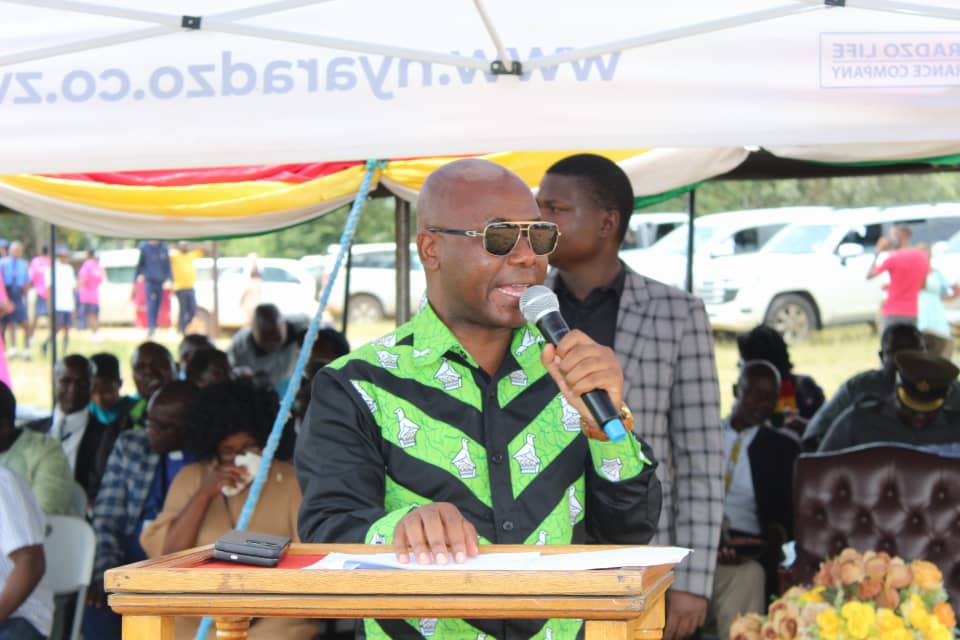
The warning came during International Women’s Day commemorations at Mashambanhaka Secondary School, where speakers said harmful practices such as early marriage continue to deny girls their rights, education and future opportunities.
Minister of State for Provincial Affairs and Devolution Advocate Itai Ndudzo said accepting bride price for a girl under 18 is not a cultural matter but a criminal offence.
“Accepting bride price as parents for a girl aged below 18 years is an offence,” Ndudzo said.
He also warned religious groups against marrying off underage girls.
“Churches that marry girls below 18 are committing crimes, and pastors can be arrested,” he said.
The commemorations were held under the 2026 International Women’s Day theme, “Rights. Justice. Action. For ALL Women and Girls,” a call for stronger protection of women and girls and greater accountability for abuses.
Zimbabwe Republic Police Mashonaland East provincial commander, Commissioner Dr Wiklef Makamachi, said communities must treat child marriage as a reportable offence, not a private family arrangement.
“Our Constitution clearly criminalises early child marriages or child offering to appease ngozi. Our girl child is our future responsible mothers,” Makamachi said.
He urged residents to report suspected cases of child marriage to the police and other authorities before girls are forced out of school and into harmful unions.
The event’s message was reinforced by Zimbabwe Prisons and Correctional Service Mashonaland East provincial commander, Commissioner George Sibanda, who said prison facilities are ready for perpetrators of gender-based violence and other abuses against women and girls.
“ZPCS joins all stakeholders in working to dismantle barriers, challenge harmful stereotypes and ensure that every girl grows up in an environment where her potential is not limited by her gender,” Sibanda said.
The warnings reflect Zimbabwe’s legal position on child marriage.
The Constitution sets 18 as the minimum age of marriage, while the Marriages Act bars anyone from contracting, solemnising, promoting, permitting, allowing or coercing a child marriage.
The law also provides penalties for offenders.
That legal framework means the issue is no longer simply about awareness.
It is also about enforcement.
At the Mashambanhaka event, officials framed the protection of girls as both a rights issue and a development issue, saying communities cannot expect progress while girls are pushed into marriages before adulthood.
Ndudzo praised the government for putting in place policies meant to protect and empower girls, but he said laws alone are not enough unless communities help stop abuse early.
The gathering challenged parents, religious leaders, traditional leaders and community members to protect girls from harmful practices, keep them in school, and report violations before their lives are permanently damaged.
For many girls in rural communities, the message was clear: childhood is not for marriage, and those who take it away can face the law.