
Social media is changing childhood in powerful ways. For children in Zimbabwe and across Africa, digital platforms can open doors to learning and creativity, but they can also bring pressure, harm and outside influences that do not always reflect children’s lived realities.
By James Tichaendepi
Childhood is changing online
Social media and children now shape each other in powerful ways across Zimbabwe and Africa, creating new opportunities for learning and creativity, but also new risks for safety, identity and wellbeing.
For many young people, the phone is no longer just an entertainment device.
It is a classroom after school.
It is a place to chat with friends.
It is a stage for talent.
It is also a place where children can face pressure, comparison and harm.
That is why any serious discussion about children online must go beyond saying social media is either good or bad.
The real question is what kind of childhood is being formed in the digital age and whether that childhood reflects the dignity, realities and needs of African children.
Learning, creativity and connection
There is no doubt that social media can help children in meaningful ways.
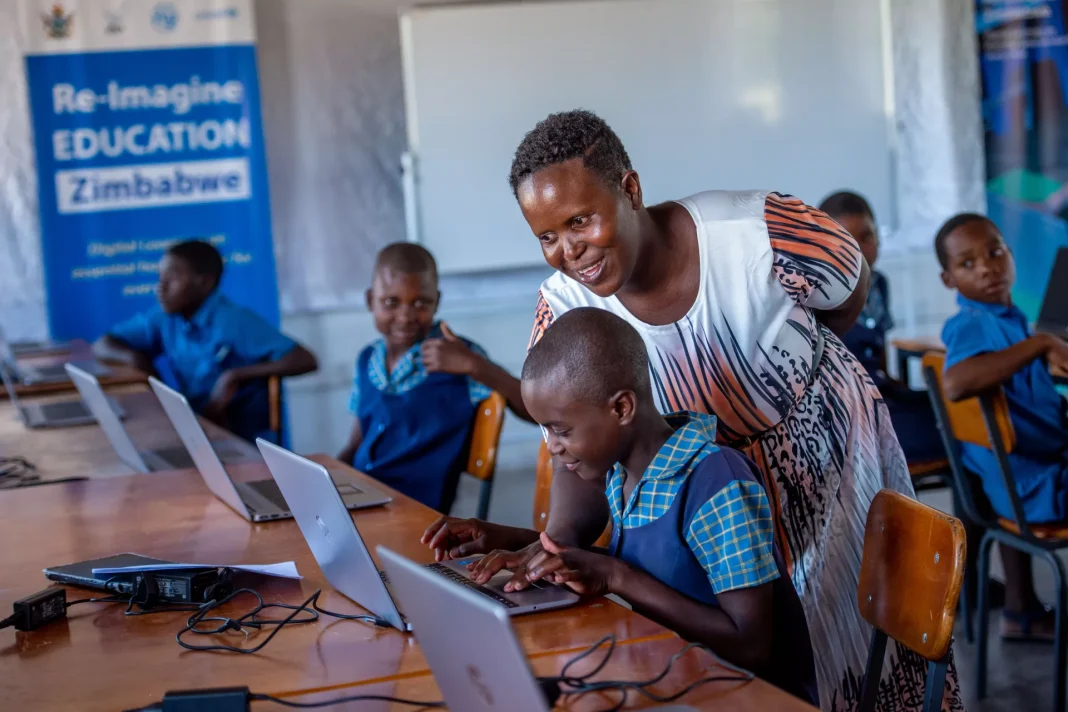
Young people can watch educational videos, join study groups, revise difficult topics and access information more quickly than ever before.
A learner who struggles with a classroom concept can sometimes find a clearer explanation online and gain confidence.
Social media can also give children room to express themselves.
It can help them share poetry, music, dance, art and public speaking.
It can allow children to feel visible in a world where their voices are often ignored.
For some young people, digital spaces can open doors to creativity, confidence and opportunity.
That positive side should not be dismissed.
The hidden costs of the screen
Even so, social media remains a double-edged sword.
Many children open their phones intending to study, communicate or check one message, only to spend long periods scrolling through content that adds little value to their lives.
This steals time from homework.
It weakens concentration.
It reduces attention span.
It can quietly affect school performance over time.
The harm is not always dramatic at first.
Sometimes it begins with lost time, shorter focus and less interest in deeper reading.
Sometimes it begins with a child who cannot sit with a textbook for long because the mind now expects constant stimulation.
Pressure, comparison and emotional harm
Social media can also place children under emotional pressure.
Many young people spend hours looking at carefully edited lifestyles, beauty ideals and images of success that do not reflect ordinary life.
As a result, some children begin to compare themselves with online performances rather than reality.
That comparison can damage self-esteem.
It can make children feel that they are not attractive enough.
It can make them feel that they are not successful enough.
It can make them feel that their lives are too small.
Instead of building confidence, social media can sometimes feed anxiety, dissatisfaction and silent emotional pain.
When online harm becomes abuse
Cyberbullying is one of the clearest dangers children face online.
A child can be insulted in a group chat.
A child can be mocked in comments.
A child can have a picture shared without consent.
A child can be turned into a joke, meme or sticker against their will.
These acts may be dismissed by others as fun, but they can leave deep emotional wounds.
A child who is humiliated online may begin to fear school, withdraw from friends or suffer in silence.
That is why online harm should never be treated as a minor issue.
It is a child protection issue.
Why African realities matter
Too many conversations about children online are shaped by assumptions borrowed from outside Africa.
Those discussions often act as if all children have the same access to phones, the same support at home, the same digital literacy and the same social environment.
That is not true.
A child in urban Harare does not experience digital life in the same way as a child in rural Zimbabwe.
A child with strong parental guidance does not face online risks in the same way as a child navigating digital spaces alone.
A child growing up in Africa also enters platforms designed largely elsewhere and shaped by values, trends and commercial interests that may not reflect local realities.
That matters.
When children are constantly exposed to outside standards of beauty, success, culture and identity, they may begin to measure themselves against values that do not grow from their own communities.
This is why the issue is not only about screen time.
It is also about power.
It is about representation.
It is about whose ideas shape digital childhood.
Protection must come before panic
The answer is not blind panic.
The answer is thoughtful protection.
Parents, guardians and teachers cannot afford to treat digital safety as something to discuss only after harm has already happened.
Children need guidance on privacy, consent, peer pressure, bullying, misinformation and digital footprints.
They need boundaries that protect sleep, learning and emotional wellbeing.
They need honest conversations, not only punishment.
Schools should also do more than ban phones and hope for the best.
They should teach digital judgement.
They should help children learn how to verify information, report abuse and use technology for growth rather than waste.
A better digital future for children
Social media is not entirely the enemy.
It can educate, connect and inspire.
It can help children discover talents, ideas and opportunities that might otherwise remain hidden.
But it can also distract, manipulate, humiliate and wound.
That is why children should not be left alone to navigate digital spaces without support.
They need guidance.
They need boundaries.
They need digital literacy.
They need adults who pay attention.
They also need digital spaces that respect their dignity and safety.
The future childhood deserves
In the end, social media is more than a tool.
It is now part of the environment in which childhood is lived.
That means the debate should not only ask whether children are spending too much time online.
It should also ask what kind of childhood society is allowing to emerge.
Children in Zimbabwe and across Africa deserve digital spaces that support learning without destroying concentration.
They deserve visibility without exploitation.
They deserve connection without cruelty.
They deserve creativity without pressure to become copies of distant ideals.
If society is serious about protecting childhood, then it must make sure the digital world expands children’s possibilities without harming their minds, dignity and future.