
By Tendai Makaripe
HARARE — Zimbabwe’s shortage of rural sports facilities is excluding children from swimming, hockey and other disciplines, a parliamentary report has found.
Farai Jere, chairperson of Parliament’s Portfolio Committee on Sport, Recreation, Arts and Culture, presented the findings to the National Assembly on July 23 after lawmakers inspected sporting facilities across the country.
“This creates a two-tier system where geography dictates success,” the report warned.
Lawmakers found that urban-rural disparities deny young athletes opportunities, waste talent and deepen existing inequalities.
Rural sports facilities limit opportunities
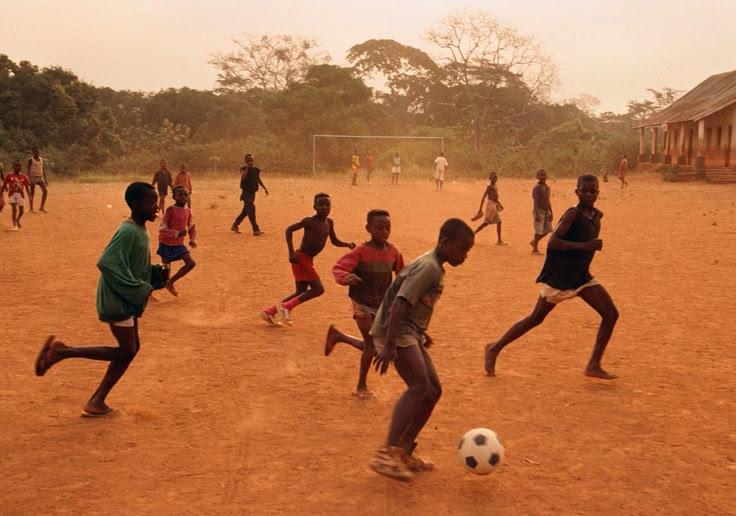
Rural sports facilities remain scarce, forcing communities to depend on school grounds for organised sport.
The findings show that this arrangement excludes children from disciplines that require specialised infrastructure, including swimming, hockey, rugby and basketball. Harare and Bulawayo, by comparison, have relatively established sporting facilities.
Only three of Zimbabwe’s 22 swimming pools met standard competition dimensions, according to evidence from the Zimbabwe Aquatic Union. The pools are in Harare, Mutare and Bulawayo, and they frequently face water shortages.
Private schools also own most heated pools available for year-round training, limiting opportunities for children who depend on public facilities.
Meanwhile, the Chitungwiza Aquatic Complex has remained closed since 2015 because of problems with its filtration system and tiles.
Rural provinces also lack dedicated athletics tracks.
As a result, young athletes train on school grounds, which the inquiry said slows their development and reduces their chances of advancing to competitive levels.
Disability and funding gaps
Lawmakers described access for people with disabilities as “severely lacking.”
Only a few facilities inspected during the inquiry had ramps, accessible toilets or designated seating areas.
The investigators identified accessibility problems at Rufaro and Barbourfields stadiums and in the changing rooms at Harare Sports Club.
According to the findings, those barriers “restrict the ability of children and young athletes with disabilities to train, compete and attend sporting events on equal terms.”
The inquiry also identified a shortage of safe recreational spaces in rural areas and high-density suburbs. It linked the absence of functional facilities to growing concerns about drug and substance abuse among young people, particularly in Hwange, Mutare and Bulawayo.
Funding shortages have worsened the situation.
The government directed local authorities to allocate 7% of their 2025 budgets to sports facilities. However, most councils allocated less than 5%, citing competing demands such as water provision, refuse collection and sewer services.
The Zimbabwe Aquatic Union told lawmakers that chemicals alone cost about $15,000 annually for each public swimming pool.
Poor coordination has also weakened maintenance. The Ministry of Sport, Recreation, Arts and Culture, the Sports and Recreation Commission and local authorities share responsibility for the facilities.
However, most councils do not employ dedicated sports officers, while only 40% of local authorities have updated lists of their sporting assets.
Lawmakers seek national plan
The portfolio committee recommended that the Ministry of Sport develop and cost a 10-year National Sports Infrastructure Master Plan by October 2026.
Lawmakers also called on the government to enforce the 7% council budget allocation and establish a ring-fenced rehabilitation fund for critical repairs.
The recommendations include mandatory universal-design standards for all new or renovated sporting facilities. Authorities should not certify facilities that fail to meet accessibility requirements after December 2026, the report said.
The inquiry also urged the government to offer tax incentives to companies that invest in rural sporting infrastructure and support a one-stadium-per-province development model.
During the investigation, committee member Innocent Benza described sporting facilities as “the incubators of dreams.”
Parliament scheduled further debate for July 28. However, National Assembly records for July 28 and 29 show no further debate or response from the responsible ministry.