
By Tendai Makaripe
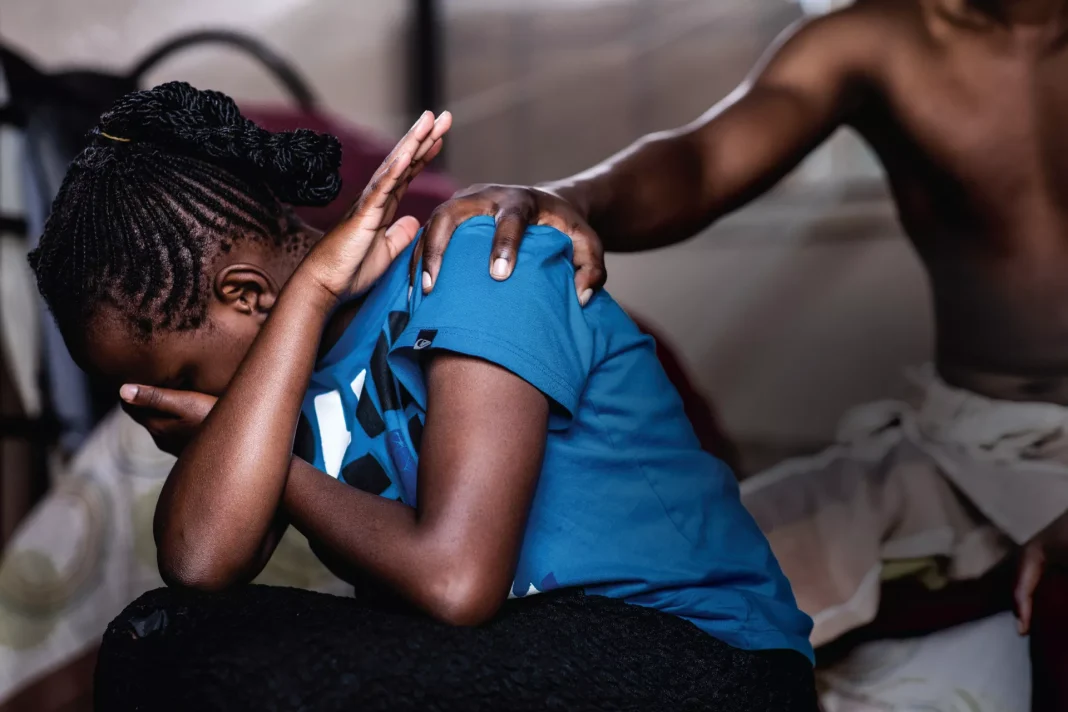
Several Zimbabwean courts have handed down lengthy prison terms in child rape cases announced this week, including cases involving relatives of the victims.
Recent bulletins released by the National Prosecuting Authority of Zimbabwe detail separate convictions from Hurungwe, Hwange, Dete and Mberengwa involving girls aged 8 to 16.
In one case, a Hurungwe man was jailed for 35 years for raping his 12-year-old daughter.
Other courts sentenced men for raping a step-granddaughter, a niece and a 16-year-old relative.
Taken together, the cases point to a deeper child-protection problem: some children are most at risk in the very spaces meant to protect them.
In a 2023 child protection overview, UNICEF Zimbabwe said, “It happens in every country, even where children should be most protected, their homes, schools and online.”
That warning is echoed in Zimbabwe’s National Strategy to Prevent and Address Gender-Based Violence 2023–2030, which says, “Violence occurs in many settings, including the home, school, community and over the Internet.”
The strategy also notes that perpetrators of violence against children can include family members and other trusted adults.
That is what makes abuse by relatives especially dangerous.
Children often depend on those adults for food, shelter, transport or school fees, which can make disclosure harder.
A 2023 study published in BMJ Open, a peer-reviewed medical journal, found that in Zimbabwe, 57.3% of children who had experienced physical or sexual violence did not know where to seek formal help, while only 9.6% knew where to seek help and actually did so.
The study said, “Most children who did not seek help reported that they felt at fault or that their safety would be put at risk by disclosure.”
In one of the NPAZ bulletins, prosecutors said, “The home must be a sanctuary, not a place of peril.”
That captures the real meaning of these cases.
The convictions show the courts can punish offenders, but they also expose how easily trust, silence, and dependence can trap children in abuse.