

Staff Reporter
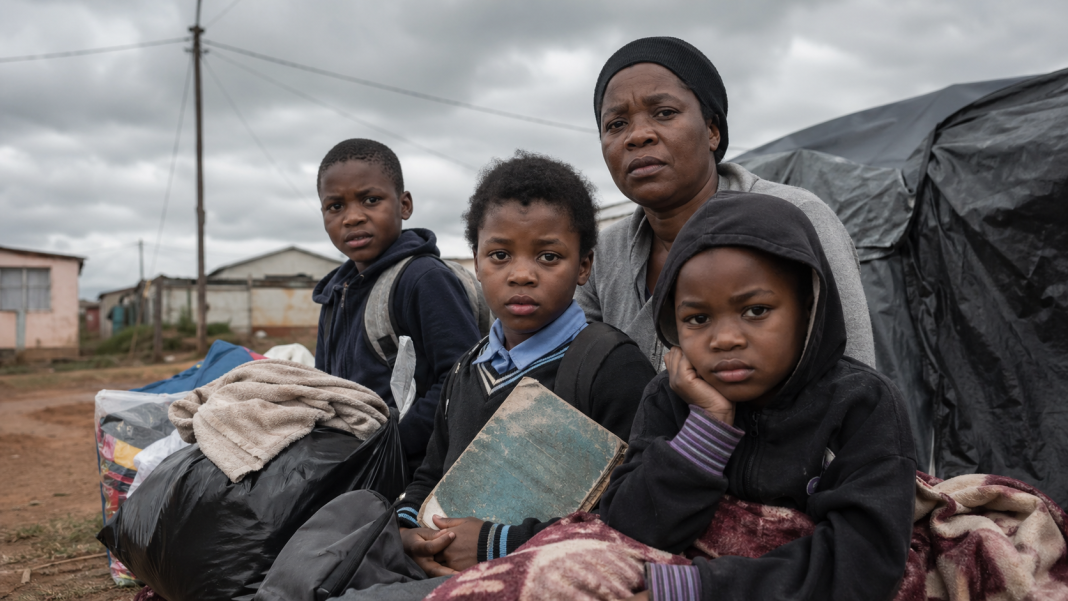
At least 21 Zimbabwean children have been left without secure shelter after their families were reportedly driven from their homes in Nompumelelo, Eastern Cape, amid renewed xenophobic violence in South Africa.
Their displacement has raised urgent child protection concerns over shelter, food, schooling, documentation and emotional support.
The Zimbabwe Consulate in Cape Town has been called in to assist 67 Zimbabwean nationals, including the 21 children, who were evicted from their homes in Nompumelelo, outside KuGompo, also known as East London, over the weekend.
The affected families are reportedly living in the veld, while the consulate has been asked to assist with their repatriation.
“The Consulate of Zimbabwe in Johannesburg and Cape Town have received reports of disturbing demonstrations that are targeting foreign nationals,” Zimbabwe’s embassy said in a safety advisory to nationals in South Africa.
But for the children caught in the displacement, the crisis goes beyond diplomatic concern.
Child rights experts say this raises urgent questions about their safety, shelter, food, schooling, health care, identity documents and emotional well-being.
The embassy said the incidents posed a serious risk to the safety and well-being of Zimbabwean nationals living in South Africa.
It urged Zimbabweans to remain “vigilant, avoid areas where demonstrations are taking place, limit unnecessary movement and keep essential documents with them”.
For the 21 children, displacement can mean sleeping in unsafe conditions, missing school, losing uniforms and books, and living with fear after watching their families forced out of their homes.
“Children who experience sudden displacement may also lose access to birth certificates, passports, clinic cards, school records and other documents needed for education, travel and protection,” said social worker Lisa Williams.
The latest incident comes as South Africa faces renewed scrutiny over attacks, intimidation and protests targeting foreign nationals.
The Associated Press reported that hundreds of people marched in Johannesburg on Wednesday against illegal immigration, while many shops closed because of fears of looting and crime.
Reuters reported last week that South African authorities had promised to act against xenophobic attacks after Ghana raised concerns over violence against its citizens in South Africa.
The African Commission on Human and Peoples’ Rights also expressed concern over reports of xenophobic violence and vigilante conduct against nationals of other African countries in South Africa.
The case has turned a migration and xenophobia crisis into a child protection emergency.
Child rights advocates have long argued that children affected by violence and displacement must be treated first as children in need of care, regardless of nationality or migration status.
This means authorities must move quickly to ensure safe temporary shelter, food, access to health services, continued learning and counselling where necessary.
“The children also need protection from further intimidation, separation from parents or guardians, and possible loss of key identity documents,” said psychologist Ivy Mukombachoto.
Governance analyst Jethro Makumbe said for Zimbabwe, the case raises questions about how the government protects the children of Zimbabwean migrants during emergencies abroad.
For South Africa, it raises questions about how law enforcement and child protection authorities respond when migrant children are affected by community violence and forced displacement.
The case of Zimbabwean children displaced in South Africa shows how xenophobic violence can quickly become a child protection emergency.
“Although the affected families may be repatriated, child protection concerns should not end at the border,” said Makumbe.
“Authorities still need to establish whether the children are safe, whether they are travelling with parents or guardians, whether they have documents, and whether they will continue with school if they return to Zimbabwe,” he added.
The children may also need psychosocial support after the trauma of displacement.
Xenophobic violence often receives attention as a migration or security issue, but children experience it differently.
For them, it can destroy the sense of home, safety and routine that every child needs.
The immediate priority is to ensure that the 21 children have secure shelter, food, protection, documentation and access to care.
Their safety should not be treated as a secondary matter.
It should be treated as an emergency.