

By James Tichaendepi
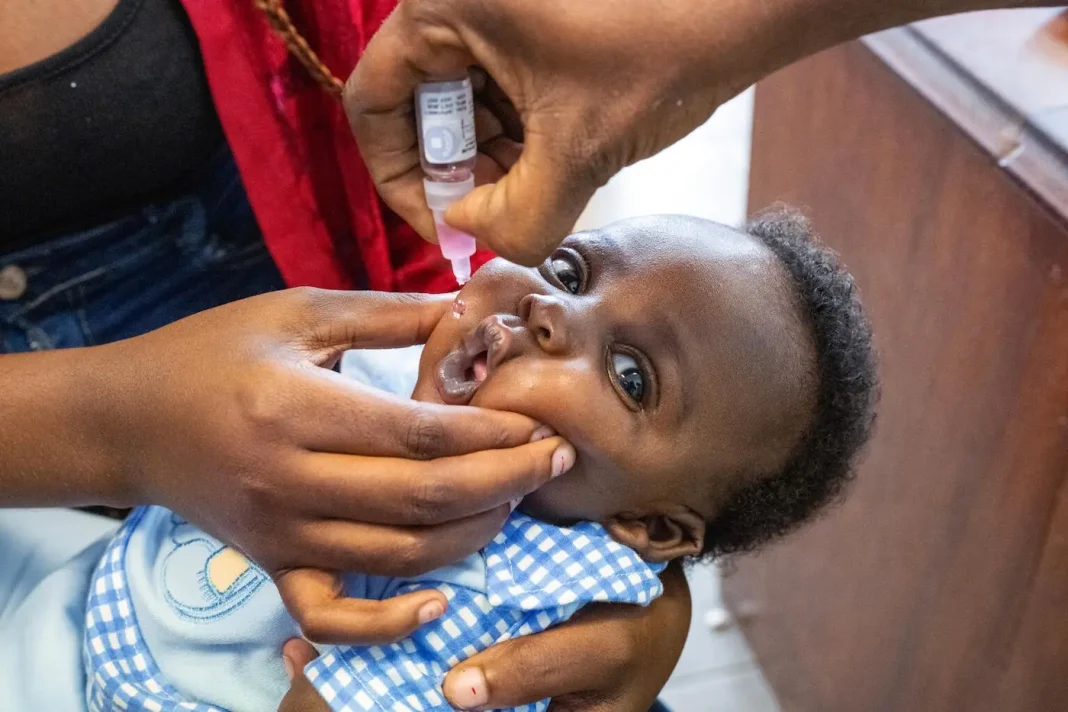
Routine vaccines remain vital for protecting children from preventable diseases, with global health agencies urging parents to keep children up to date as World Immunisation Week enters its final days.
World Immunisation Week, which runs from April 24 to 30, is being marked under the theme, “For every generation, vaccines work.”
“Vaccinations save lives,” UNICEF Executive Director Catherine Russell said in a joint statement issued by the World Health Organisation (WHO), the United Nations Children’s Fund (UNICEF) and Gavi, the Vaccine Alliance.
The agencies said the Big Catch-Up initiative had delivered more than 100 million vaccine doses to an estimated 18.3 million children across 36 countries since 2023.
They said the campaign reached about 12.3 million zero-dose children who had not received any vaccines before.
The initiative also reached 15 million children who had never received a measles vaccine.
WHO, UNICEF and Gavi launched the Big Catch-Up during World Immunisation Week in 2023 to respond to vaccination declines caused largely by the COVID-19 pandemic.
The campaign targeted children aged 1 to 5 who had missed routine vaccines during and after the pandemic.
The agencies said the programme concluded on March 31, 2026, and remained on track to reach at least 21 million unvaccinated and under-vaccinated children.
However, they warned that many infants still miss routine vaccines every year.
Russell said the gains made through the campaign must continue through stronger health systems.
“We’ve caught up with some of the children who missed routine vaccinations during the pandemic – but many more remain out of reach,” she said.
WHO said vaccines have saved more than 150 million lives over the past 50 years.
The organisation said vaccines protect children from diseases such as measles, diphtheria, pertussis, polio and rotavirus.
In Zimbabwe, children should receive routine vaccines at birth, 6 weeks, 10 weeks, 14 weeks, 9 months, 18 months and 5 years.
Children who miss vaccination appointments can still visit a local clinic or Ministry of Health dispensary for catch-up doses.
WHO said timely vaccination according to national immunisation schedules gives children the best protection.
It also said routine immunisation remains the most sustainable way to protect children and communities from vaccine-preventable diseases.
WHO Director-General Dr Tedros Adhanom Ghebreyesus said the Big Catch-Up showed the value of health workers and national immunisation programmes.
“The success of the Big Catch-Up is a testament to health workers and national immunisation programmes, which are now better equipped to find and vaccinate children missed by routine services,” he said.
The renewed focus on vaccines comes as Zimbabwean schools prepare for the Second Term, when children mix closely in classrooms, playgrounds and public transport.
Health agencies urged parents and guardians to check children’s health cards and visit clinics if any vaccine doses are missing.
Missed vaccines can leave children exposed to preventable diseases that can affect their health, learning and survival.